Behind Bars for Asking Questions: How Somalia Criminalized Journalism in 2024
Across 2024, Somali authorities arrested, threatened, prosecuted, and exiled journalists for reporting on drug use in the military, checkpoints, corruption, aid organizations, and displaced persons — while freezing the accounts of the press freedom body that documented it all
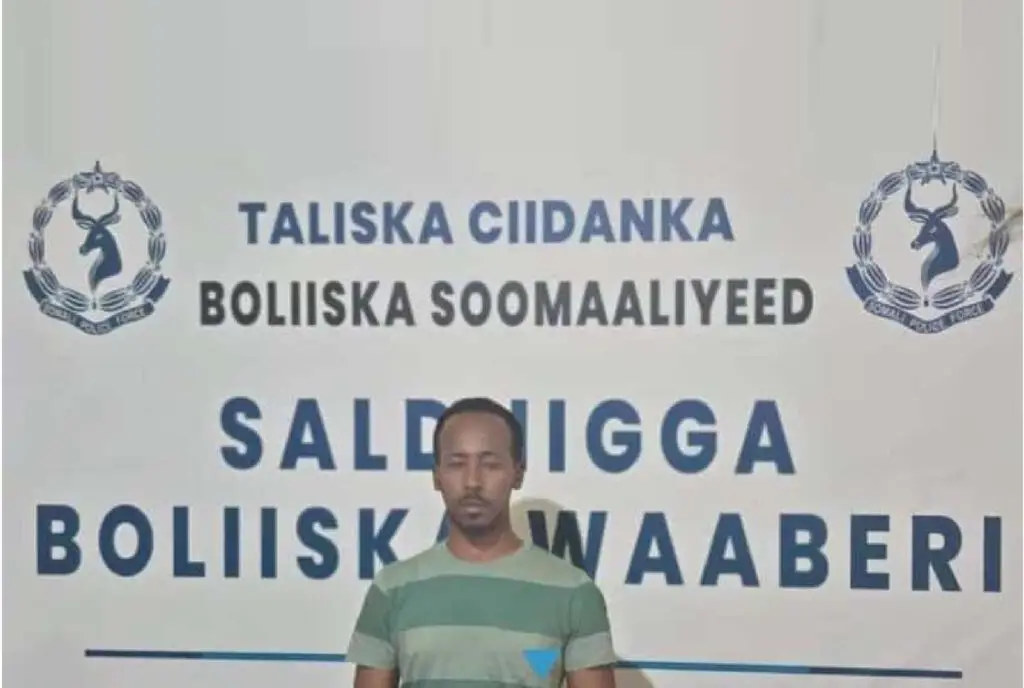
In 2024, Somali authorities did not merely arrest journalists — they arrested the body documenting the arrests. When the Somali Journalists Syndicate objected to legislation restricting press freedom, the attorney general froze its bank accounts. The message to Somalia’s media landscape could not have been more explicit: there is no safe ground for critical journalism.
Arrested for Reporting, Prosecuted for Asking
Rights groups assert that the apprehension of journalists for reporting on sensitive matters is exerting a progressively discouraging influence on the freedom of the press in Somalia. The cases documented across 2024 do not represent a single crackdown or a response to any specific event. They represent a consistent institutional posture: the use of criminal law to remove from public view any reporting that exposes government failures, military misconduct, or official corruption.
As Laetitia Bader of Human Rights Watch observed: “There was a consistent practice of employing criminal law to instil fear in journalists during President Hassan Sheikh Mohamud’s initial period in office, spanning from 2012 to 2017. This pattern must not be replicated during his current term.” The evidence from 2024 indicates it has been.
| Journalist | What They Reported | What Happened |
|---|---|---|
| Ali Nur Salaad | Drug use (khat) among Somali soldiers, potentially increasing vulnerability to Al-Shabaab attacks | Arrested; charged with “immorality, false reporting, and insulting the armed forces”; five days in custody before bail |
| Mohamed Salah | Suspension of licenses for aid organizations by Puntland state | Charged by Somali Journalists Syndicate with “disseminating false and misleading information” |
| Abdullahi Kulmiye | Law enforcement and armed individuals soliciting money at checkpoints | Arrested in July for documenting extortion |
| Abdulkadir IsseOfficial media employee | Corruption and misuse of authority by a government minister | Prohibited from reporting after publishing the investigation |
| Sharma’arke Abdi Mahdi & Abdinur Hayi HashiDhobley | Inadequate assistance to internally displaced persons by local administration | Targeted by four police officers in May; journalists alleged coordinated harassment |
| Abdalle Ahmed MuminSecretary General, SJS | SJS objection to legislation restricting press freedom | Imprisoned for two months in 2023; SJS bank accounts frozen in 2024 on defamation accusation with no named complainant |
Reporting on Soldiers Using Drugs: Arrested for “Insulting the Armed Forces”
Ali Nur Salaad was arrested and charged with “immorality, false reporting, and insulting the armed forces” following the dissemination of a video — since removed — suggesting that soldiers were susceptible to Al-Shabaab militant attacks because of the prevalent consumption of khat. Angela Quintal, leader of the African program at the Committee to Protect Journalists, urged Somali authorities to dismiss the prosecution and allow journalists to report on public matters without restriction. Salaad was granted bail on Saturday after five days of imprisonment. A hearing date had not been scheduled as of the time of this report’s publication.
The charges against Salaad illustrate a dynamic that appears repeatedly across 2024: reporting on a genuine security vulnerability — the kind of reporting that, if taken seriously, could prompt the government to address the problem — is instead treated as an attack on the institution. The institution is protected. The problem continues.
Documenting Checkpoint Extortion: Arrested for Filming What He Saw
Abdullahi Kulmiye was apprehended in July for documenting instances of law enforcement and armed individuals soliciting money at checkpoints. No charges were specified. No legal process was followed. The act of filming police officers engaging in extortion was itself treated as a criminal act. This inversion — in which documenting wrongdoing becomes the offense while the wrongdoing itself goes unpunished — is not coincidental. It is the predictable outcome of a system in which security forces operate without accountability and journalists who reveal that fact become the problem to be solved.
Investigating Ministerial Corruption: Banned from Reporting
Abdulkadir Isse, an employee of official media, was prohibited from reporting following the publication of an article investigating corruption and misuse of authority by a government minister. He was not charged. He was not arrested. He was simply told to stop. For a journalist working within official media, that instruction carries the full weight of institutional authority behind it. The investigation was not refuted. The minister was not investigated. The journalist was silenced.
The Press Freedom Body Itself Targeted: SJS Bank Accounts Frozen
In April, the bank accounts of the Somali Journalists Syndicate were immobilized upon the request of Somalia’s attorney general. The organization was accused of defamation and providing fake evidence. The specific individual or entity allegedly defamed was not disclosed. Abdalle Ahmed Mumin, secretary general of the SJS, stated that the Ministry of Information and the Somali government tried to convey a direct message: their money would be targeted if they continued to report on press freedoms. “Being incarcerated instils a perpetual sense of anxiety,” he said. “You are unable to resume your previous activities. The presence of critical and independent reporting is now nonexistent. The message appears to be clear and unsettling.”
The freezing of the SJS’s accounts was not merely an attack on one organization. It was an attack on the institution that documents and advocates against attacks on journalists. In targeting the SJS, the government sought to remove the body keeping the record, not merely the journalists adding to it.
“The inclination to hinder the reporting of topics that may be seen as controversial or sensitive has greatly impeded journalists in covering matters that are of significant public importance.”Laetitia Bader, Human Rights Watch
OPR Calls For
- The immediate unfreezing of the Somali Journalists Syndicate’s bank accounts and the dismissal of the defamation accusation against it
- Dismissal of all charges against Ali Nur Salaad, Abdullahi Kulmiye, and Mohamed Salah
- Reinstatement of Abdulkadir Isse with full freedom to report without editorial interference from political authorities
- An end to the use of “insulting the armed forces,” “disseminating false information,” and “disrupting public security” as catch-all charges against journalism
- An independent review of all cases in which journalists have been arrested, prosecuted, or restricted since 2022 — with findings made public
A government that arrests journalists for asking questions has decided it prefers silence to accountability. Somalia’s citizens deserve better than a press that has been trained to be afraid.
How to cite this piece
Organization for Prisoners' Rights. (2024). Behind Bars for Asking Questions: How Somalia Criminalized Journalism. Mogadishu: OPR. https://opr.org.so/news/behind-bars-for-asking-questions-how-somalia-criminalized-journalism-in-2024/