Series · Part 4 of 15
Seven Gunmen and a Car Bomb: The Godka Jilacow Attack, August 2014
A car bomb opened the gate of the intelligence agency’s underground detention centre on 31 August 2014 and seven gunmen went in behind it.
Case investigations, facility reports, and analysis published by OPR.
A car bomb opened the gate of the intelligence agency’s underground detention centre on 31 August 2014 and seven gunmen went in behind it.
About twenty armed men attacked Bosaso Central Prison on the night of 8 November 2013 and were driven off after an hour.
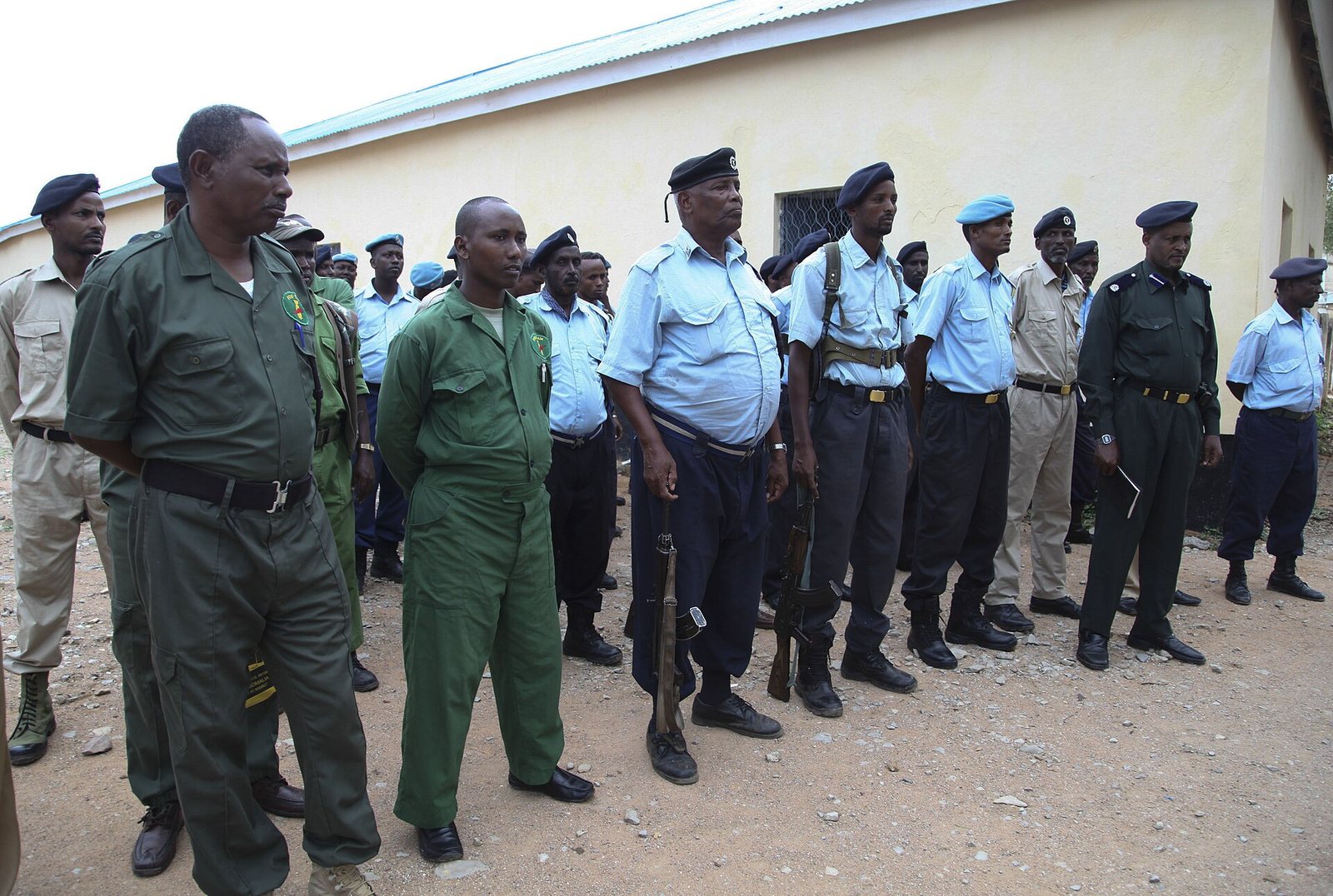
On the night of 2 December 2012, about twenty detainees, mainly suspected Al-Shabaab fighters, walked out of a prison in government-held Baidoa. Officials said they went through the front gate.
When Al-Shabaab took Jowhar on 17 May 2009, it did not need to storm the prison. It took the town and opened the doors.
On the International Day of Political Prisoners, a count of jailed journalists and opposition leaders in Africa and the world’s most closed states shows one pattern: no trial, a trial the defendant…
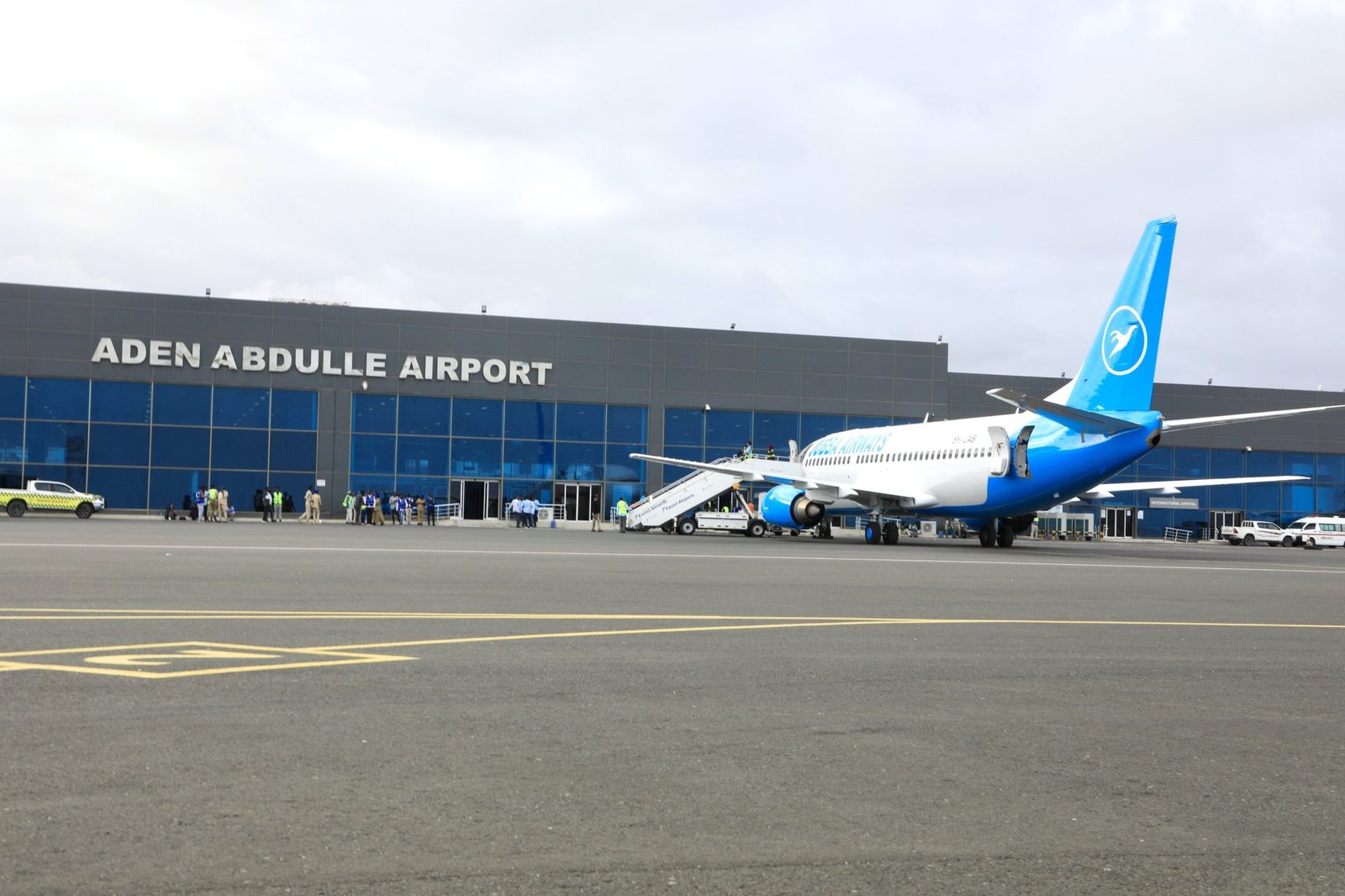
Three landings in under seven weeks have brought hundreds of Somalis home from Libya. Two young men from the first say the count leaves out the people still inside, and what is done to them.

Aliya and Najib came to Sweden to join their refugee mother ten years ago. On 27 October, aged 22, they were put on a chartered plane to Mogadishu, four weeks after Sweden’s new rules for young…
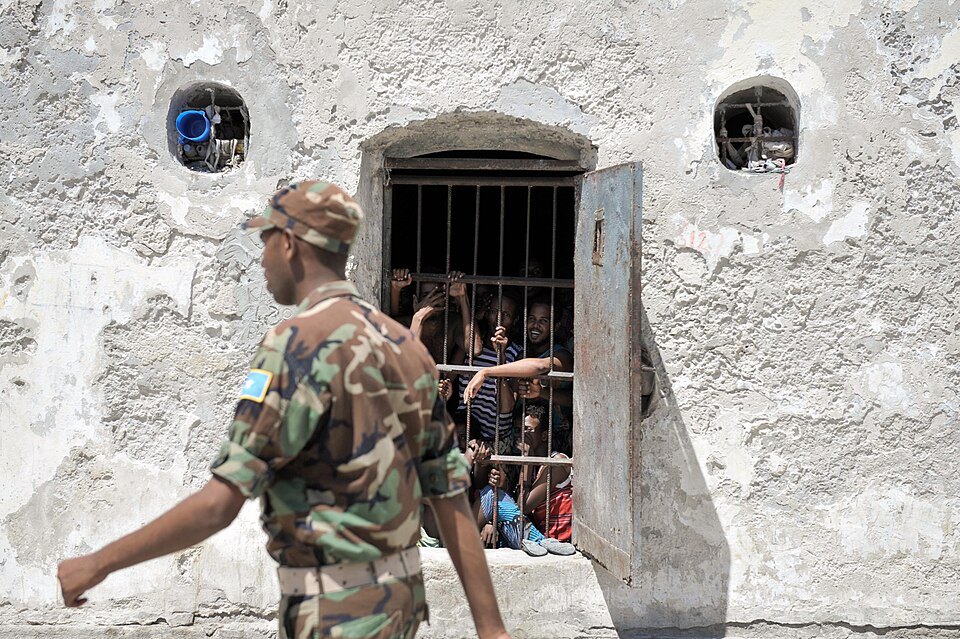
Six years of detention practice under two administrations: what the law says, what the record shows, and where reform announcements have not reached the cells.

The final report in the series: the year still in progress, and what prisoners are living with today.

A journalist held 38 or 39 days without charge, prison rooms used as punishment, and a legal framework that does not define torture: what the record shows, and where it stops.

A psychiatric study of one Somaliland prison, UN inspections of federal ones, and OPR’s own field research point to the same failure: people who need care are being locked up instead.

Somalia’s constitution guarantees due process and humane treatment. Prison conditions, documented security force conduct, and the repeated failure to prosecute officials for arbitrary detention tell…
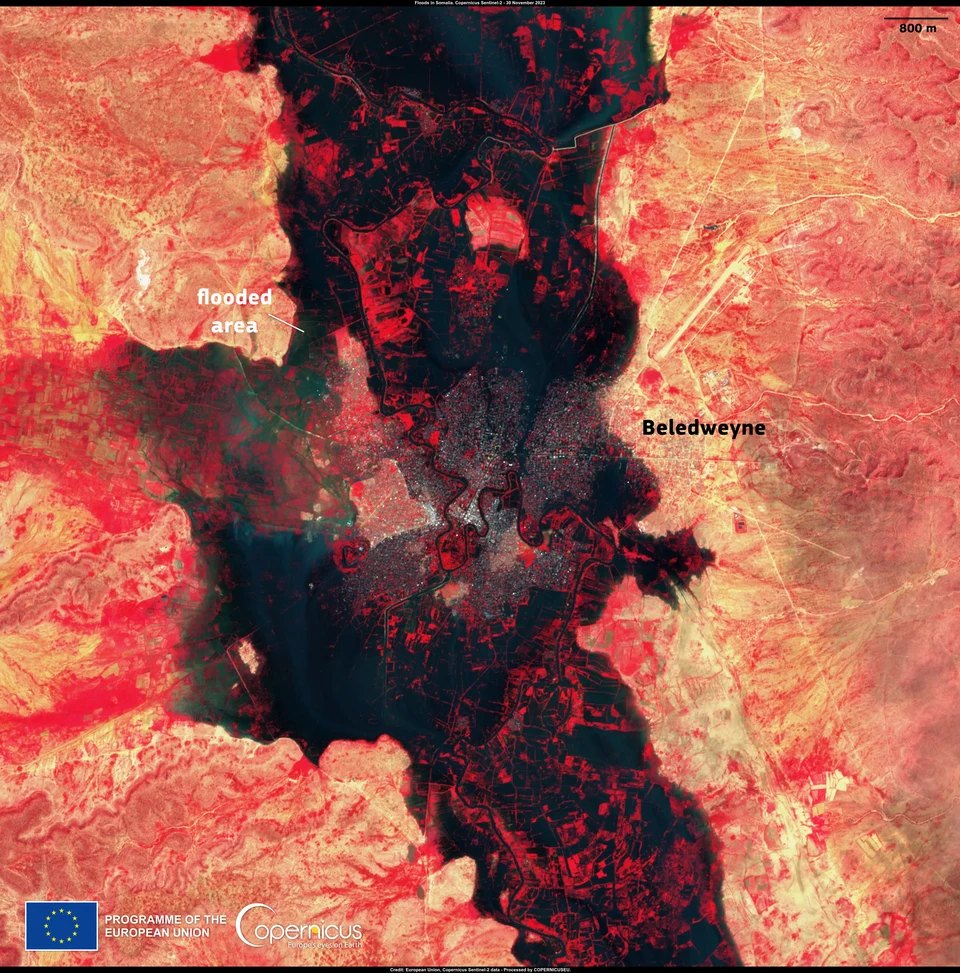
El Niño rains are coming to the towns that hold Somalia’s best-known prisons. As far as I can find, nobody has planned for the people locked inside.

A plan to include people in custody in Somalia’s El Niño flood preparations, October 2026 to early 2027

What the Federal Government, the federal member states and Somaliland should do now to protect people in custody from the Deyr 2026 floods
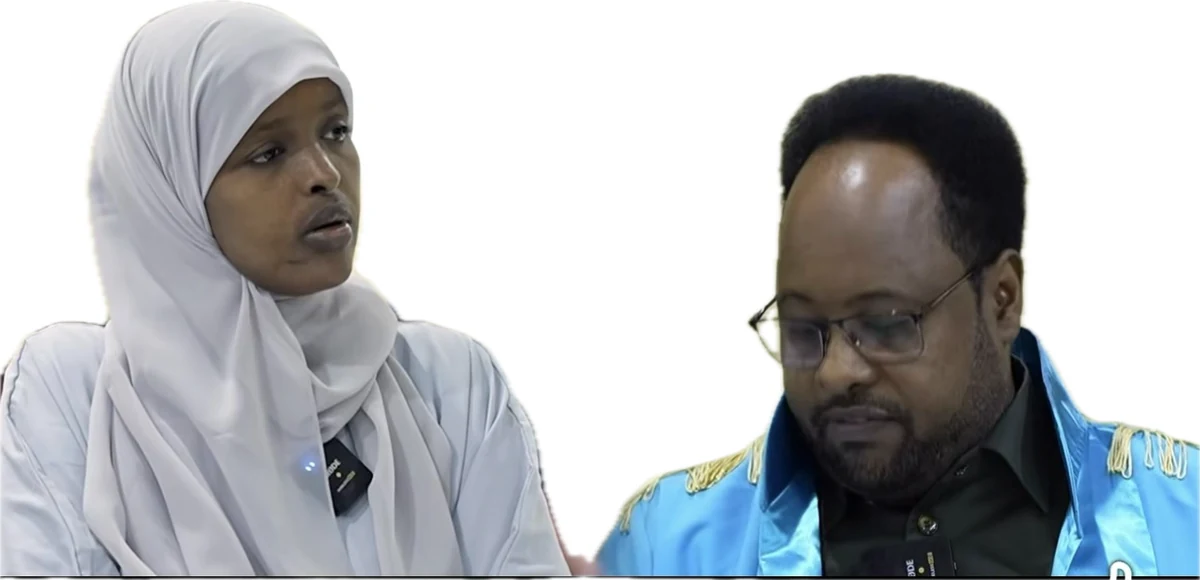
Her release was covered as a win for free speech. Less examined is how she was convicted: a judge replaced mid-trial, a courtroom closed to reporters, and an Attorney General who pushed the case at…
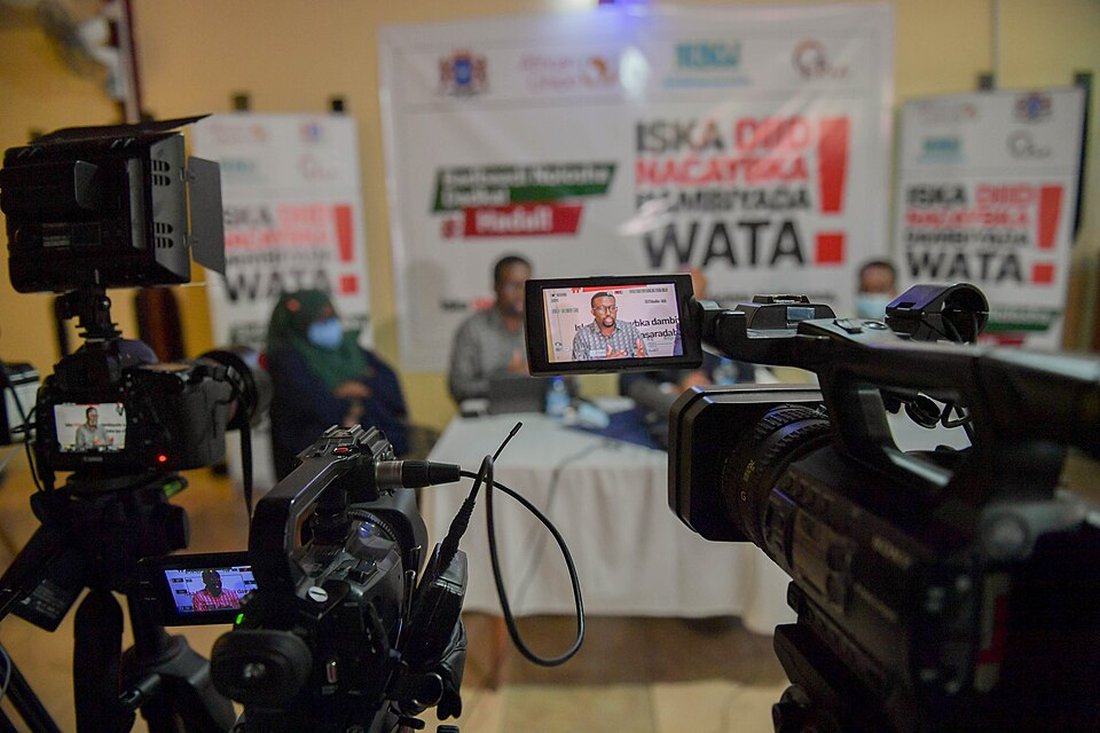
In ten weeks this summer, at least ten journalists were arrested, beaten, abducted, or imprisoned across six Somali cities — each for reporting on something those in power did not want seen.
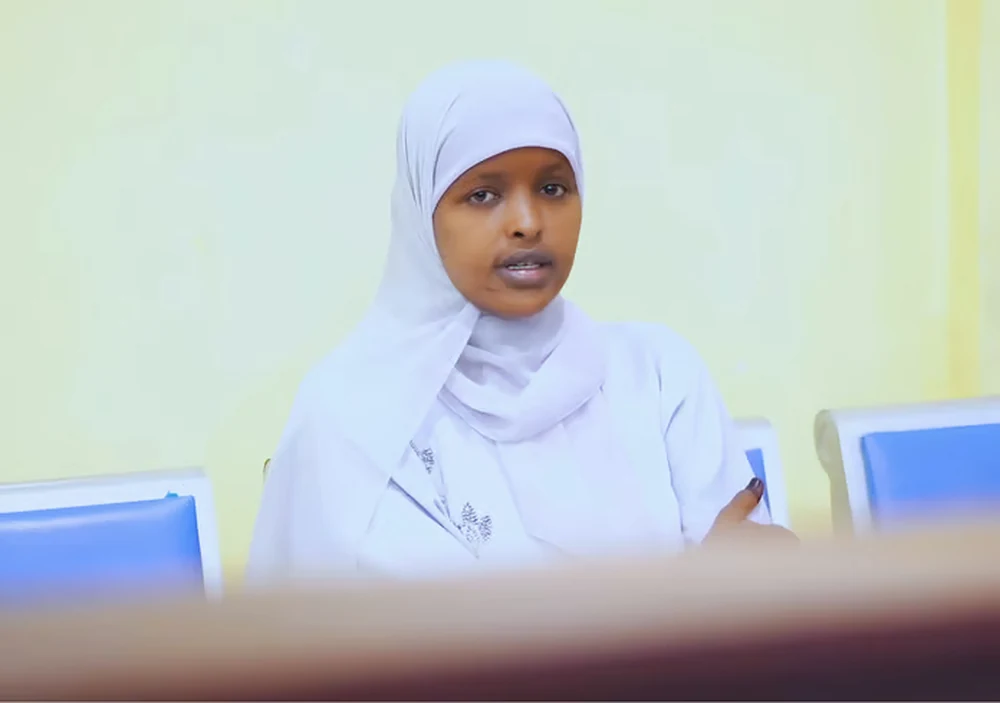
On June 25, 2026 — seventy-four days after her arrest — Sadiyo Bajaaj was convicted and sentenced to three years in prison for posting a video criticizing the President.
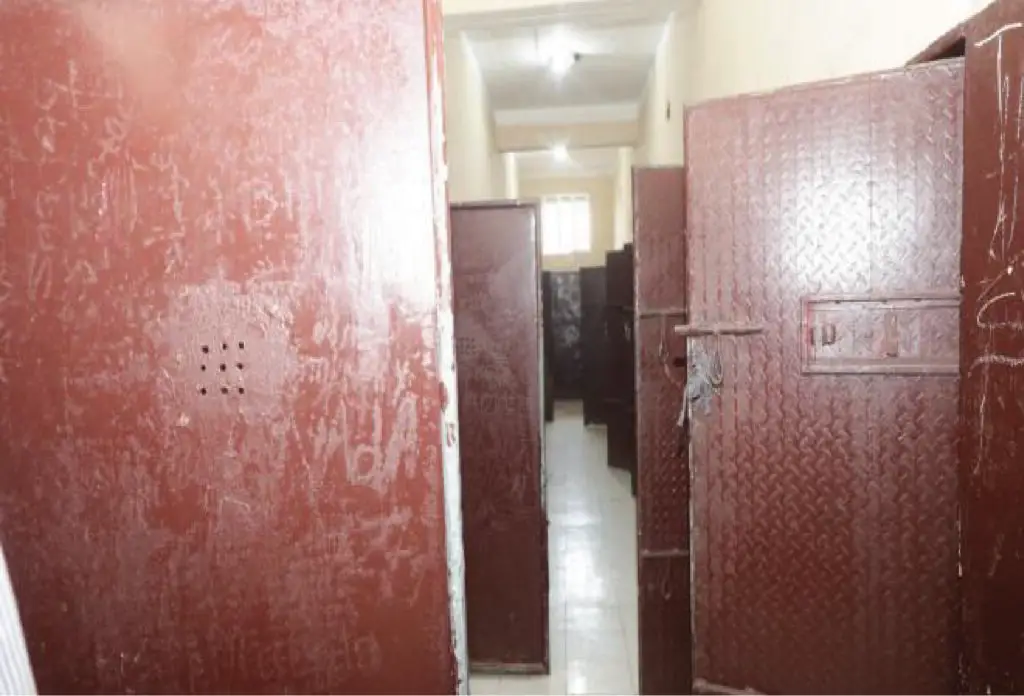
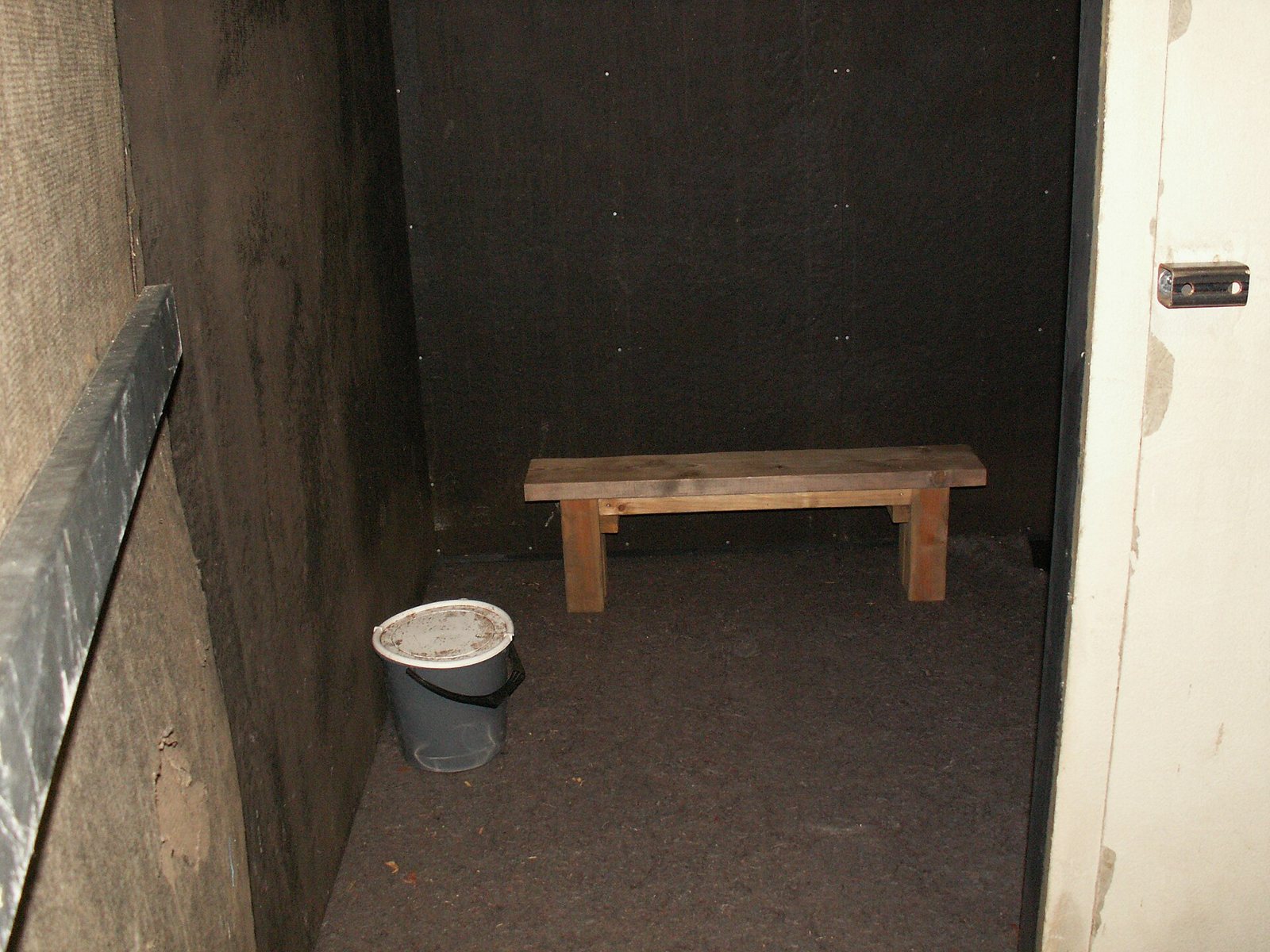
In December 2018, Somali authorities held a public ceremony, declared Godka Jilacow closed, and promised to transform it into a training academy. The ceremony was attended by senior officials.
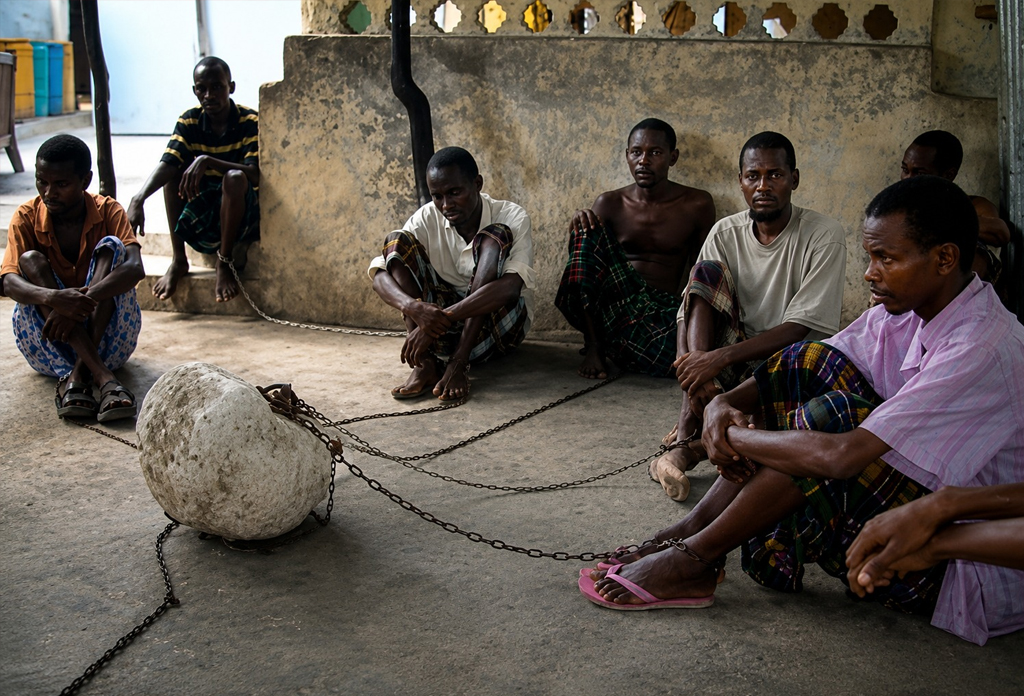
As the world marks Mental Health Awareness Month, thousands of people with mental health conditions in Somalia remain invisible, neglected, and trapped inside prisons where treatment has been…
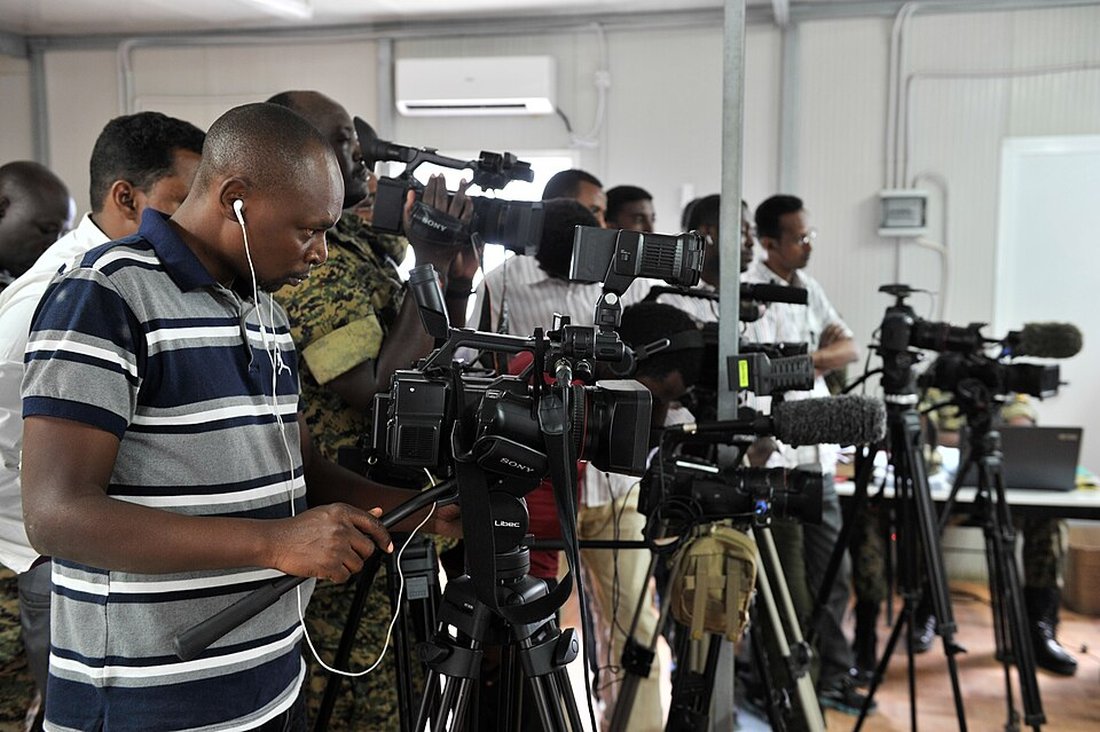
In a restaurant in the heart of Mogadishu, three journalists sat down for a meal. They did not finish it.
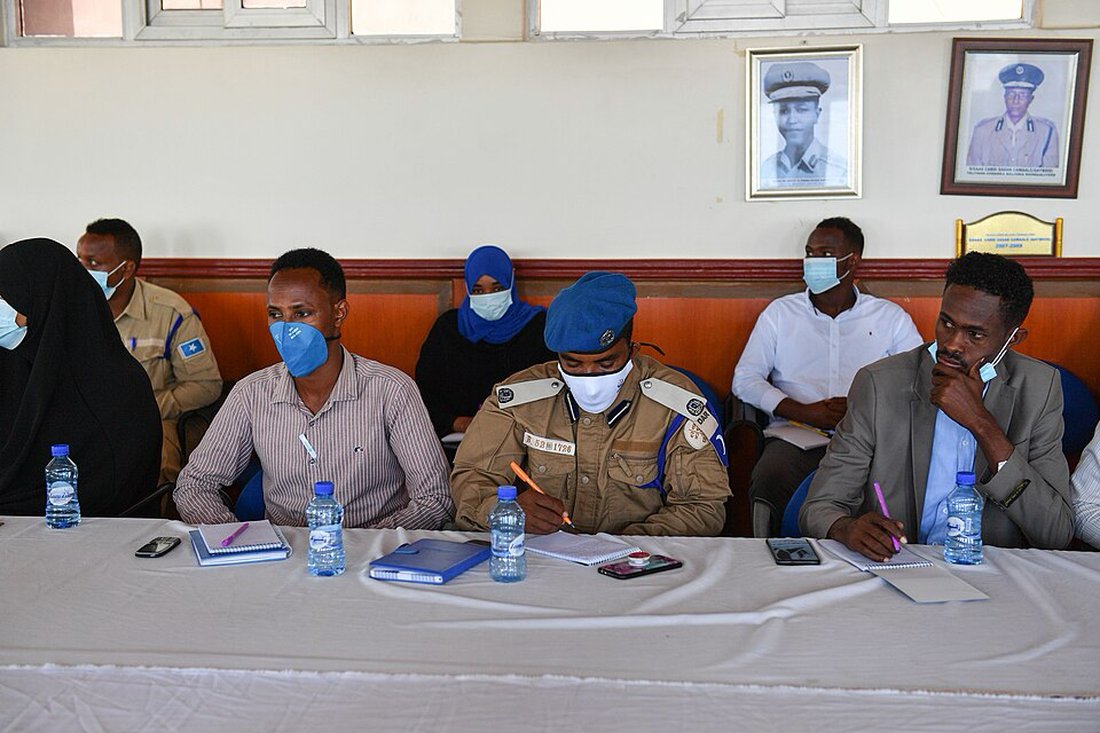
Nine in ten journalists detained in Somalia are never brought to court and are released without charge. This is not a justice system struggling to function.
Enforced disappearance in Somalia has never been criminalized as a specific offence. No individual has ever been prosecuted for conducting, ordering, or concealing one.
During the Siad Barre era, torture was a method of governance. In 2026, while Somalia officially rejects torture, the persistence of arbitrary detention, ill-treatment, and intimidation demonstrates…

Over 48 hours in late May 2026, Somali security forces conducted a systematic sweep against journalism itself — arresting, interrogating, and threatening journalists not for what they had published…
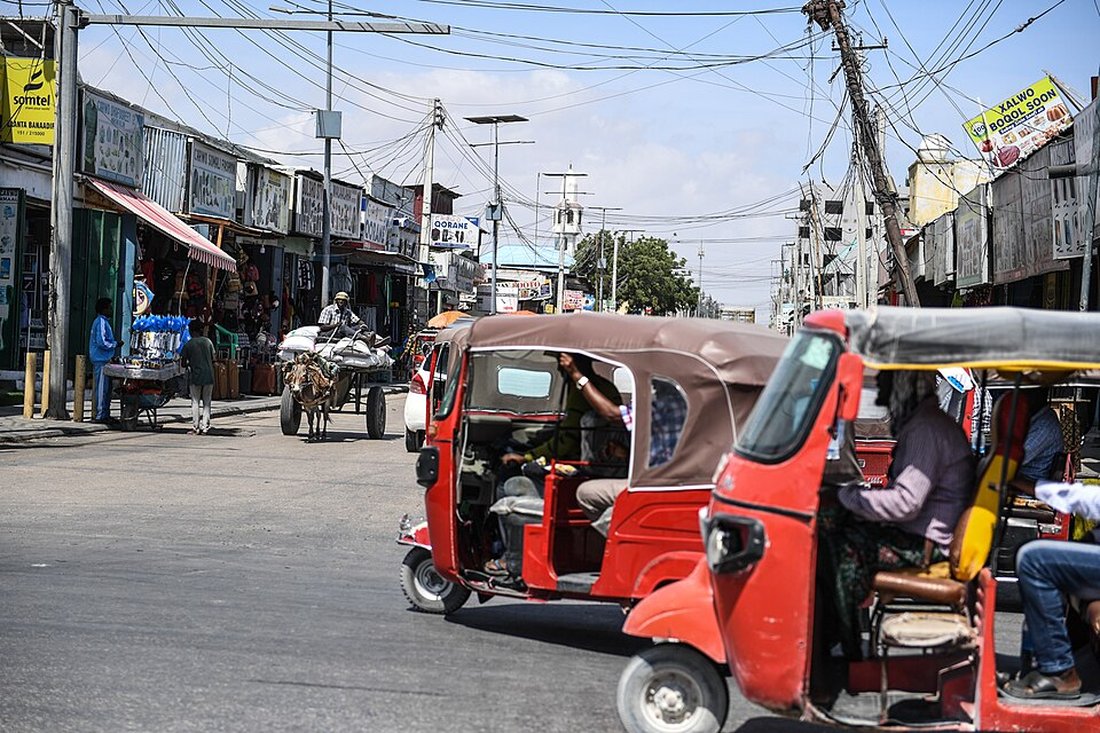
Somali authorities have arrested bajaj drivers and activists protesting a near-200% fuel price hike. Among them: Sadiyo Bajaaj, a female activist and university graduate.
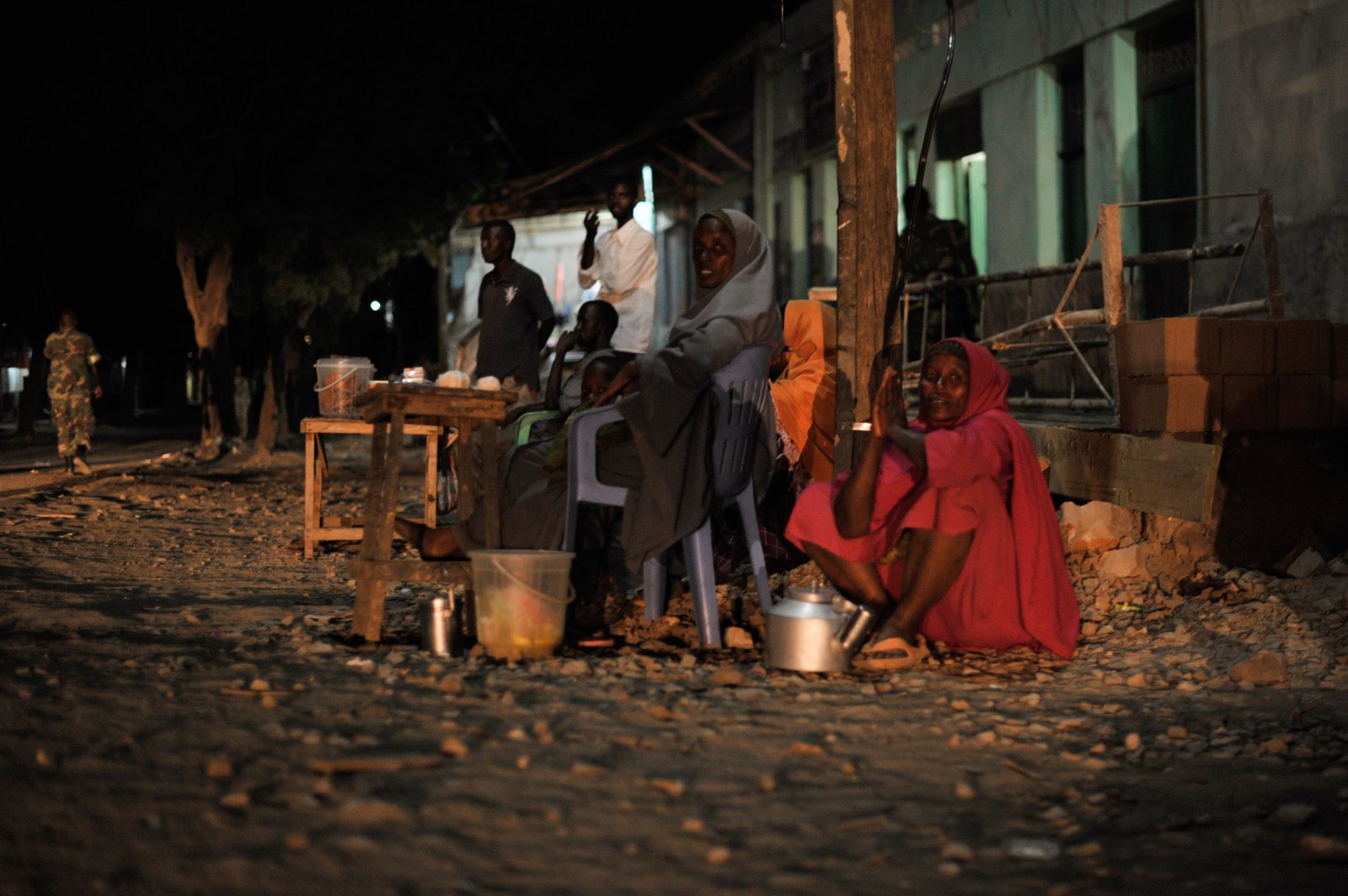
In Somalia’s fractured justice system, being from a minority community is itself a risk factor for wrongful arrest, coerced confession, and conviction.
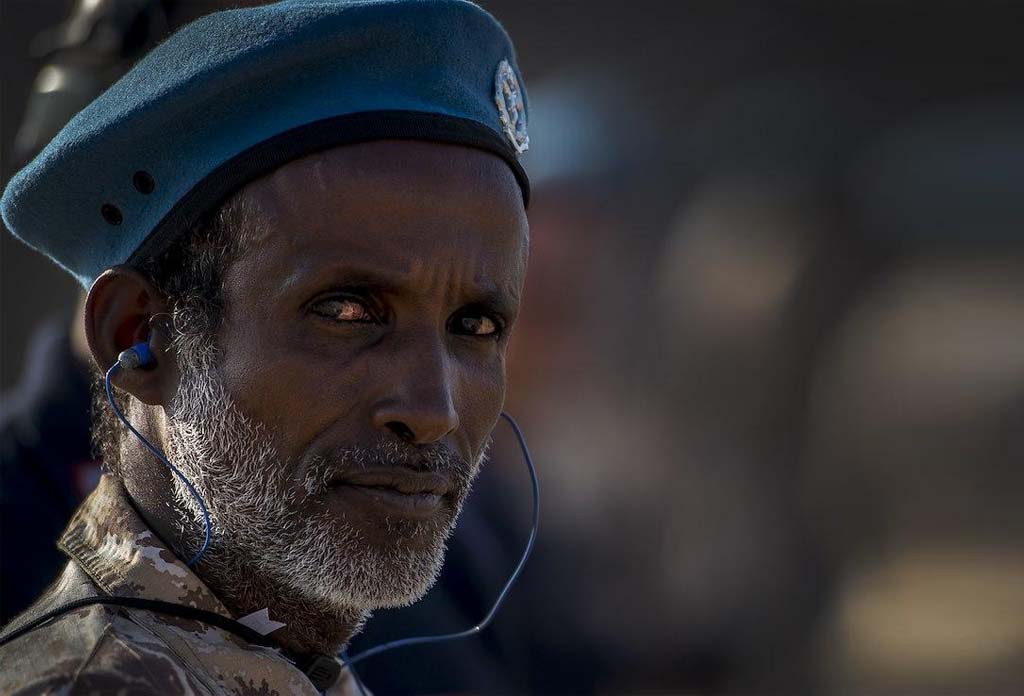
This investigation documents a machinery of repression operating in Somalia’s shadows: plainclothes operatives, unmarked vehicles, underground cells, and coerced silence.

Five years after the pandemic began, a national human rights commission was named, a general died in custody, and the most secretive prison in Mogadishu was attacked.
Nearly seven years after Somali authorities declared Godka Jilacow Prison closed, evidence gathered by OPR indicates the facility may still be used for detention and interrogation.

As the world marks Mental Health Awareness Month, persons with disabilities in Somalia continue to face systematic marginalization, abuse, and neglect — inside their communities and behind the walls…
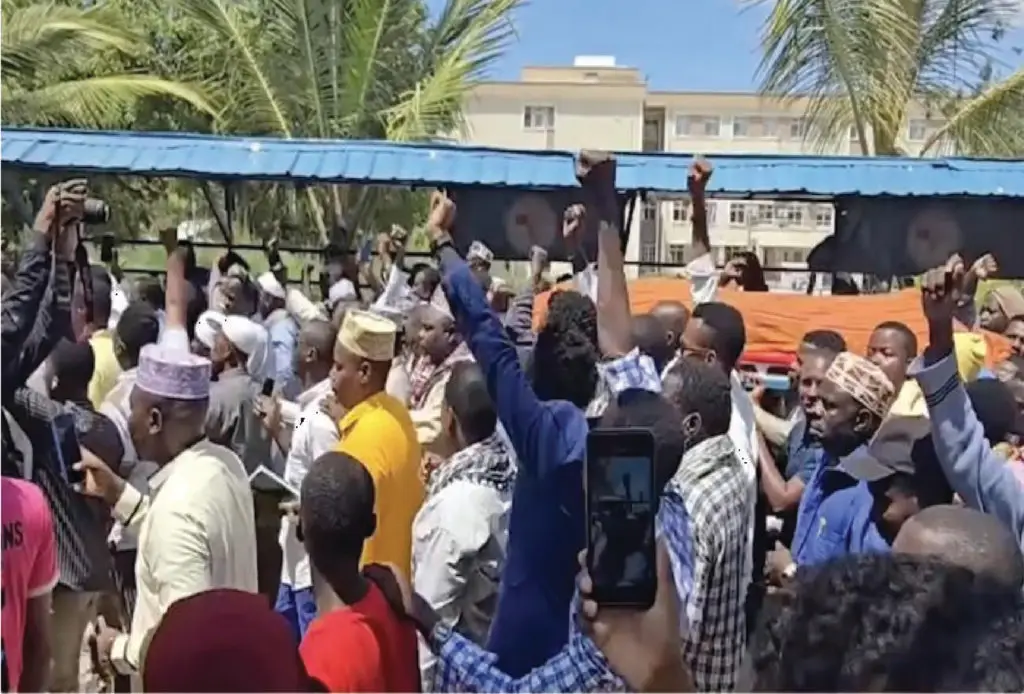
The death of General Shegow Ahmed Ali in state custody has become a symbol of something larger than one case: a prison system where healthcare is absent, accountability is absent, and the only…

Ali Adan Mumin was arrested without a warrant for reporting what happened: a factual account of Al-Shabaab capturing a district 86 kilometers from Mogadishu.
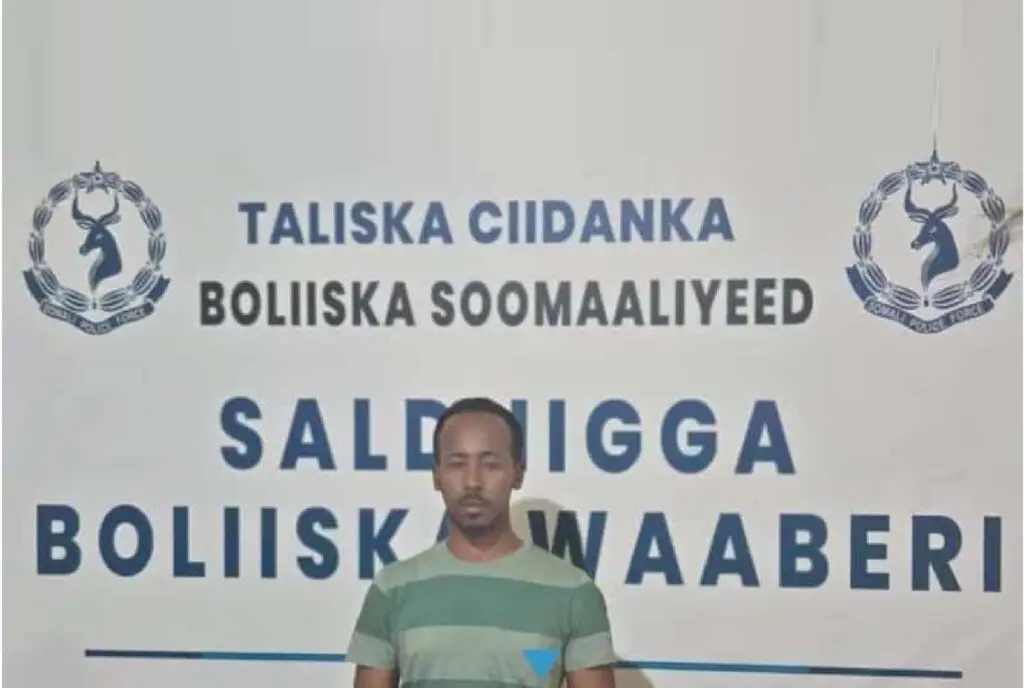
In 2024, Somali authorities did not merely arrest journalists — they arrested the body documenting the arrests. When the Somali Journalists Syndicate objected to legislation restricting press…

Four years after COVID-19 arrived, the prison system’s most reliable trend was that access to food, water and family had become something prisoners had to pay for.
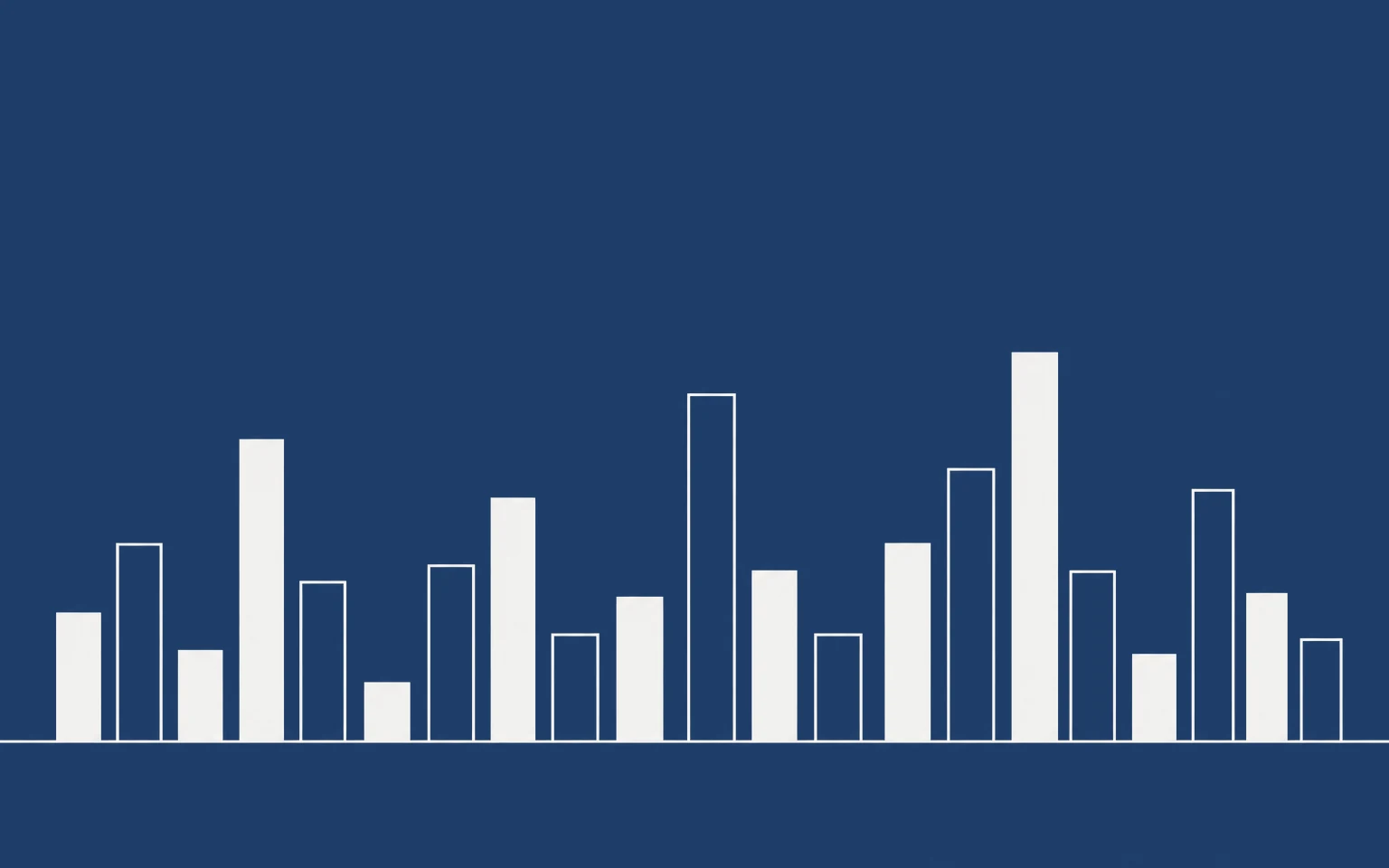
On 9 September 2024, a virtual discussion took place, organised by Ismail Abukar, Co-Founder and Chairperson of the Organization for Prisoners' Rights (OPR), on approaches to updating the…

Arbitrary arrest, unlawful detention, and abusive prison conditions remain among the most serious weaknesses in Somalia’s justice system.
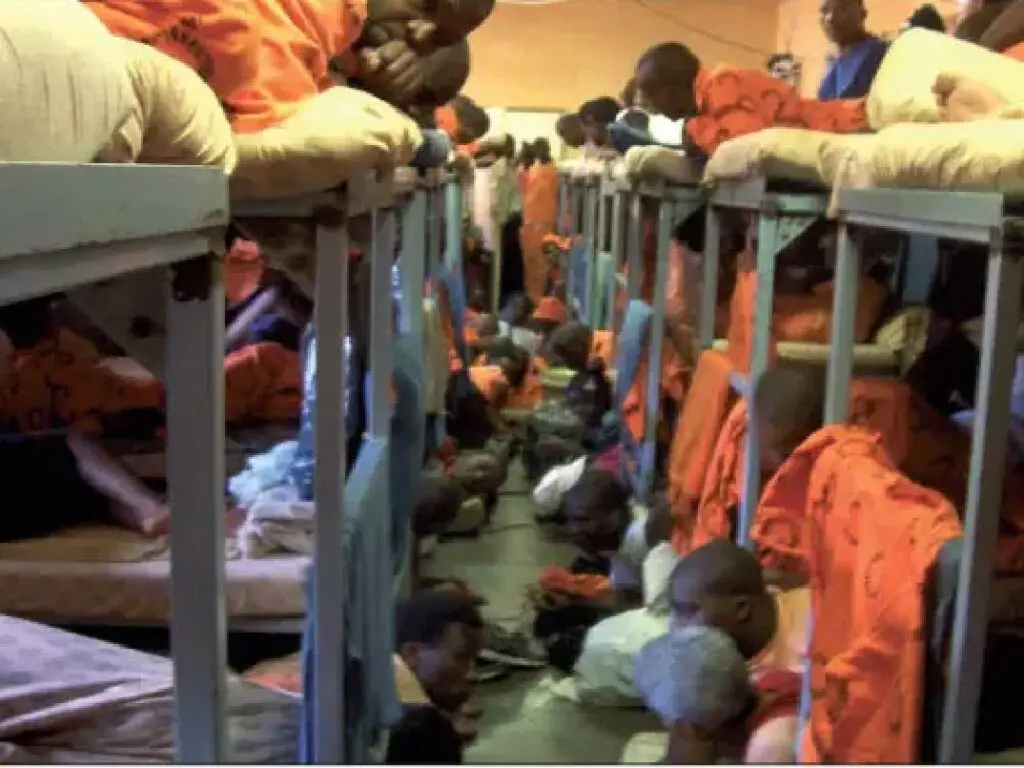
Inside Mogadishu Central Prison, a prisoner must pay $1 for a small serving of rice, $5 for ten minutes of fresh air, and $20 to receive a family visitor.

This question carries major human rights, social, and policy implications. Until recently, it remained difficult to answer with any meaningful evidence.

The year the intelligence agency got its law, Las Anod went to war, and the prisons were still waiting for their recovery.

What COVID-19 exposed inside Somalia’s detention system, and the first test of whether anything was fixed once the emergency measures ended.
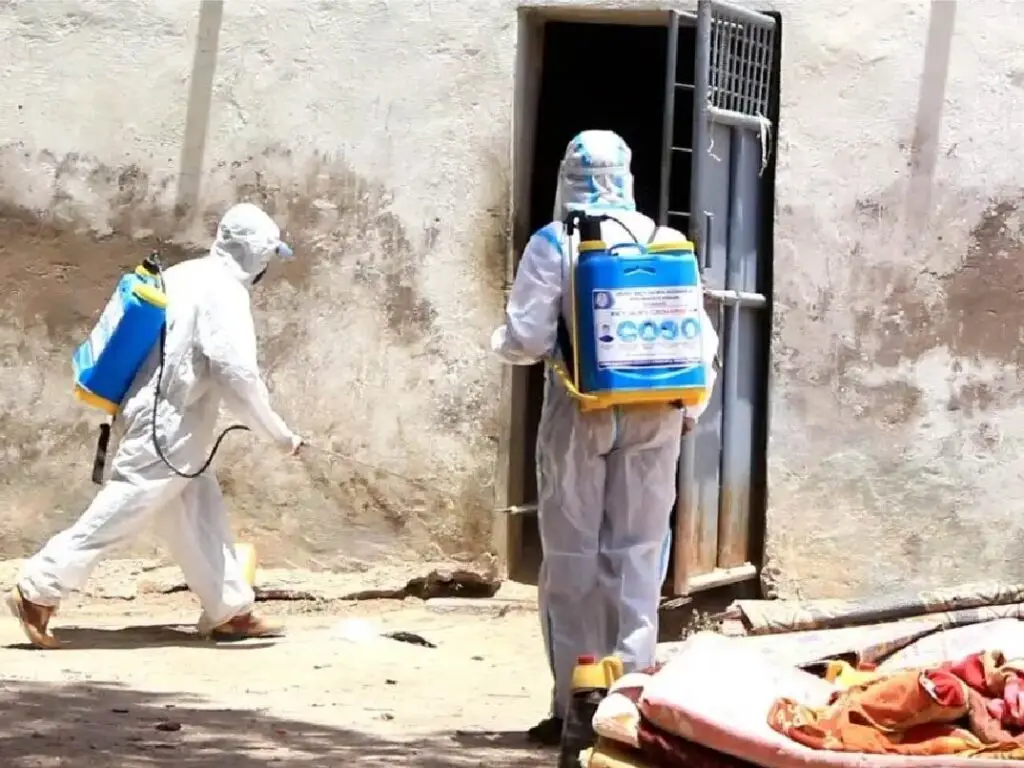
The COVID-19 pandemic did not create Somalia’s prison crisis. It revealed it. In detention facilities where physical distancing was impossible, medical care was absent, and hygiene supplies were…
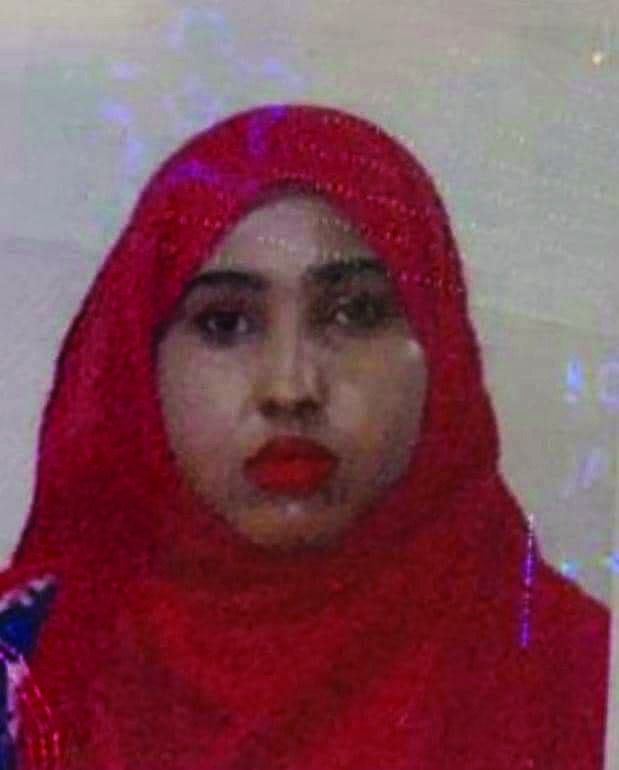
The disappearance of Ikran Tahlil Farah on June 26, 2021, remains one of the most controversial and politically sensitive unresolved human rights cases in Somalia.

A prison break in Bosaso, visits suspended again in Somaliland, and a large release of low-risk prisoners in Puntland: the second pandemic year in Somalia and Somaliland’s detention system.
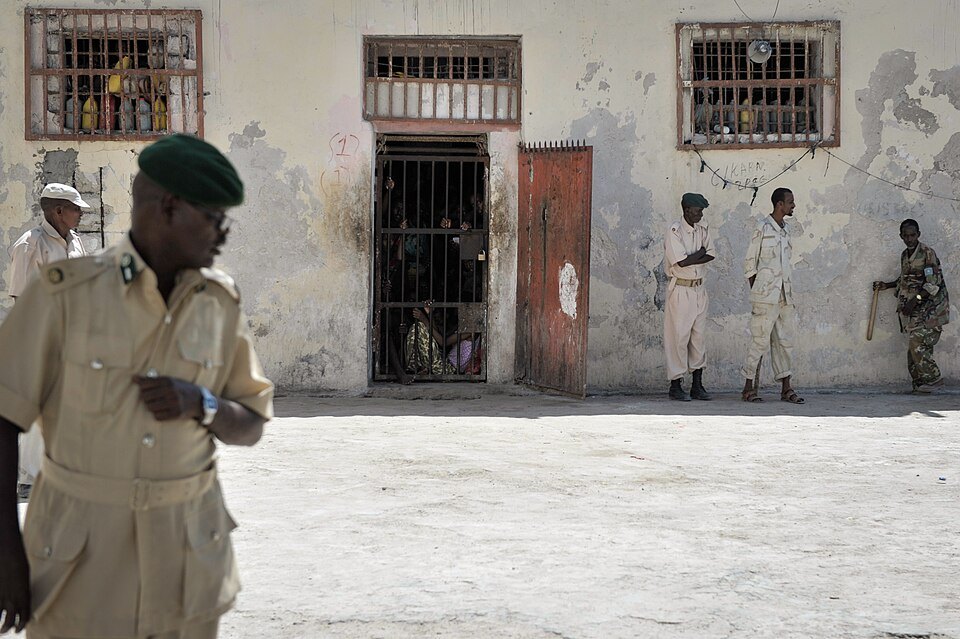
The first year of COVID-19 inside Somalia and Somaliland’s detention system: a response built on donated soap, and a prison attack that killed nineteen people.

The death toll from the shootout inside Mogadishu Central Prison has settled at nineteen. The warden has been suspended and the government changed its account of the dead twice in three days.

The National Intelligence and Security Agency (NISA) has again been drawn into the latest security lapse in Somalia, following the chaotic scene at Mogadishu Central Prison on Monday in which…

The number of inmates killed during Monday's attack at Mogadishu Central Prison has risen to 15, the government of Somalia confirmed on Tuesday, almost 24 hours after announcing the deaths of four…

Deadly shooting between security officers and Al-Shabaab inmates ensued at the heavily fortified Mogadishu Central Prison, a senior official confirmed, in an unprecedented incident which left four…