Locked In During Lockdown: COVID-19 and the Human Rights Emergency in Somalia’s Prisons
How a pandemic exposed the structural vulnerability of Somalia’s overcrowded, under-resourced detention system — and why the lessons of COVID-19 still have not been learned
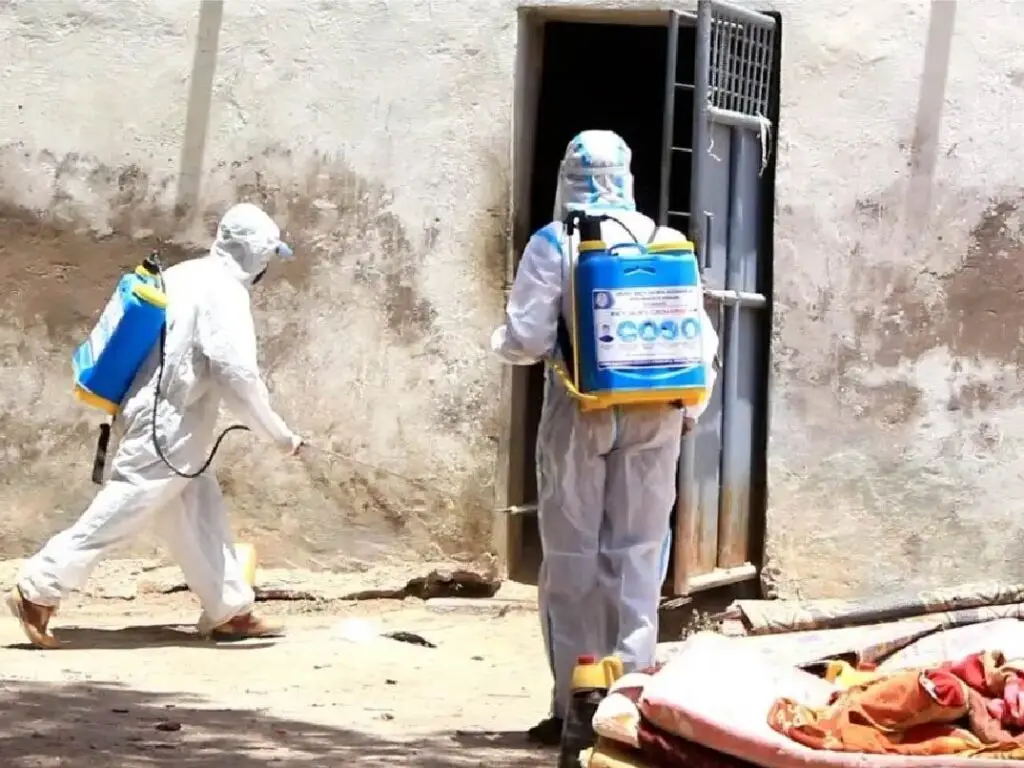
The COVID-19 pandemic did not create Somalia’s prison crisis. It revealed it. In detention facilities where physical distancing was impossible, medical care was absent, and hygiene supplies were unavailable, the virus found exactly the conditions it needed. Years later, those conditions remain. The pandemic ended. The emergency inside did not.
Why Prisons Are Among the Most Dangerous Places During a Pandemic
The COVID-19 pandemic exposed deep inequalities and fragile healthcare systems across the world, but few places faced greater danger than prisons and detention centers. In Somalia, where healthcare infrastructure remains limited and detention facilities are already overcrowded, the pandemic created an alarming human rights and public health challenge. As confirmed cases increased throughout Somalia, authorities introduced emergency measures including nighttime curfews, restrictions on public gatherings, and public awareness campaigns. Yet for thousands of detainees held in crowded facilities, many of these preventive measures were nearly impossible to follow.
Detention facilities are among the most dangerous environments during infectious disease outbreaks. The World Health Organization warned that prisons could become major centers of transmission if preventive measures were not urgently implemented. In many Somali detention facilities, detainees live in congested cells where maintaining even minimal physical distance is impossible. Shared toilets, insufficient access to clean water, limited ventilation, and poor hygiene conditions create an environment where contagious diseases spread rapidly. Unlike members of the public who may isolate at home, detainees have little control over their surroundings. Once the virus enters a prison, containment becomes extremely difficult.
No Space to Be Safe
Overcrowding remains one of the most serious problems in Somalia’s detention facilities. In some prisons, inmates are forced to sleep in close proximity, sometimes sharing small spaces with dozens of others. Such conditions create an ideal environment for the spread of respiratory illnesses like COVID-19. If a single inmate or prison staff member becomes infected, the virus can quickly move through entire cell blocks within days. In overcrowded prisons, quarantine and isolation measures are often difficult to implement because of limited space and inadequate medical infrastructure. Human rights organizations warned that prison outbreaks could become humanitarian disasters if urgent preventive measures were not introduced.
What Was Done — and What Was Not Enough
In response to the growing threat, several detention facilities in Mogadishu introduced basic preventive measures: handwashing stations were installed, and detainees and prison staff received guidance on hygiene and prevention. A prisoner at Mogadishu Central Prison described detainees participating in awareness sessions and being instructed on proper handwashing techniques. According to him, awareness campaigns encouraged prisoners to regularly wash their hands before entering rooms and shared spaces. Although these measures represented important progress, many facilities still struggled with shortages of hygiene supplies and overcrowding. Maintaining physical distance in heavily crowded correctional facilities is not merely difficult. In many Somali prisons during this period, it was physically impossible.
The constant movement of people in and out of prisons created a second major risk. New detainees enter regularly while officers, healthcare workers, and visitors move between prisons and surrounding communities, increasing the likelihood of the virus entering and spreading beyond prison walls. Several detention facilities in Mogadishu temporarily suspended family visits during the pandemic. While these restrictions aimed to protect public health, they created emotional hardship for detainees separated from loved ones. OPR worked with authorities to help detainees maintain communication with their families through telephone calls during and after the pandemic period.
Those at Greatest Risk Inside
COVID-19 posed a particularly serious threat to elderly detainees and prisoners with underlying health conditions. Within Somali detention facilities, many prisoners already suffer from malnutrition, inadequate healthcare, untreated medical conditions, and psychological stress. These conditions further weaken immune systems and increase vulnerability to infectious diseases. Detainees with disabilities, chronic respiratory illnesses, diabetes, heart disease, or weakened immune systems faced especially high risks. Beyond physical health risks, the pandemic had serious psychological consequences for detainees. Fear of infection, restrictions on family visits, uncertainty about healthcare access, and prolonged confinement contributed to anxiety and emotional distress. Mental health services within detention facilities remain extremely limited, leaving many prisoners without adequate psychological support during the crisis.
ICRC Support and the Limits of External Assistance
The International Committee of the Red Cross played an important role in supporting COVID-19 prevention efforts in Somalia’s detention facilities, distributing hygiene supplies and prevention guidance to detainees and prison staff across 22 detention facilities including Mogadishu, Kismayo, Baidoa, and Garowe. These efforts were meaningful and important. They were also insufficient on their own to address the structural problems that made Somali prisons so vulnerable in the first place. External humanitarian support can supplement but cannot replace government investment in prison infrastructure, healthcare staffing, and the reduction of overcrowding through reforms to detention and sentencing practices.
The Emergency Inside Continues
The COVID-19 pandemic revealed the dangerous vulnerabilities within Somalia’s prison and detention system. The pandemic has passed. The vulnerabilities have not. The same overcrowding, the same inadequate healthcare, the same poor sanitation, the same absence of independent oversight that made Somalia’s prisons so dangerous during COVID-19 are present today — documented in OPR’s 2025 reports, in survivor testimony, in the death of General Shegow Ahmed Ali in custody in April 2025. The lesson of COVID-19 was not “prisons need hygiene campaigns.” It was “prisons need to be reformed before the next crisis makes their failures visible again.”
OPR Calls For
- Immediate and sustained investment in prison healthcare infrastructure including qualified medical personnel, disease screening, emergency response capacity, and medical isolation facilities
- Reduction of overcrowding through legal reforms including mandatory time limits on pre-trial detention, expanded use of non-custodial measures, and release of elderly, ill, and low-risk detainees
- Establishment of standing emergency health protocols for all detention facilities, with independent oversight authority
- Restoration and maintenance of detainee family contact as a human right, not a discretionary prison privilege
- Long-term international partner investment in prison reform that goes beyond emergency response to address structural deficiencies
The health of prisoners, prison staff, and surrounding communities is interconnected. A failure to protect one group ultimately places all at risk. Somalia learned this lesson during COVID-19. It has not yet acted on it.
How to cite this piece
Organization for Prisoners' Rights. (2022). Locked In During Lockdown: COVID-19 and the Human Rights Emergency in Somalia's Prisons. Mogadishu: OPR. https://opr.org.so/news/locked-in-during-lockdown-covid-19-and-the-human-rights-emergency-in-somalias-prisons/