Silenced in the Dark: Enforced Disappearances, Torture, and the Systematic Targeting of Journalists in Somalia
Based on nearly one hundred testimonies from journalists, opposition members, and human rights defenders unlawfully detained by Somali state security forces
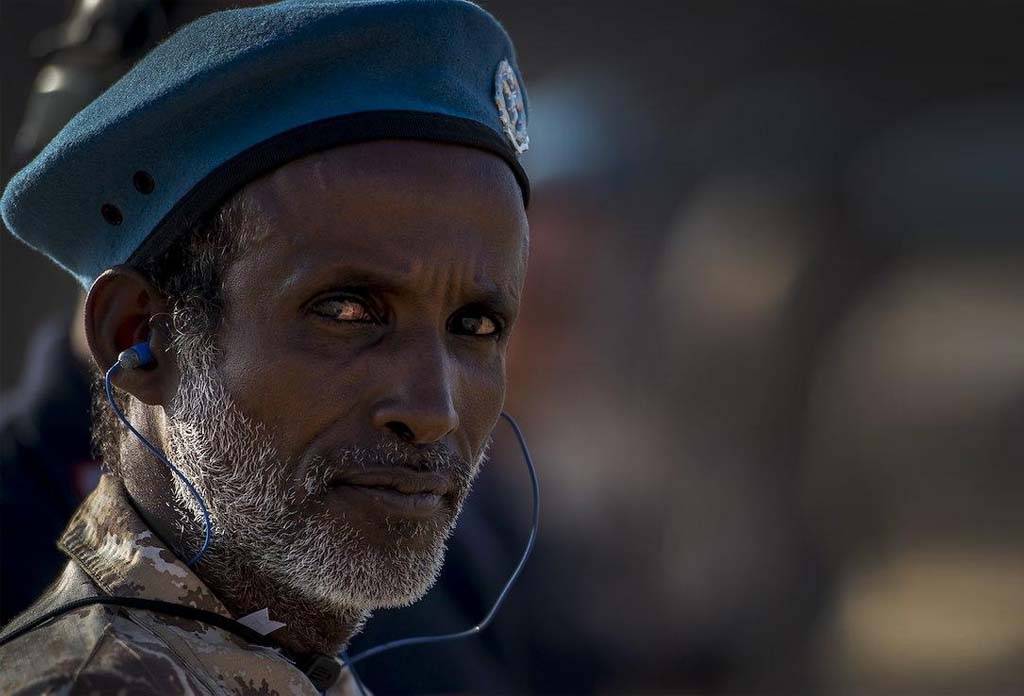
This investigation documents a machinery of repression operating in Somalia’s shadows: plainclothes operatives, unmarked vehicles, underground cells, and coerced silence. Based on nearly one hundred testimonies, it reveals a state that has turned disappearance into policy and darkness into a weapon.
A System Built on Fear, Secrecy, and Impunity
This article documents grave abuses committed against journalists, political opposition figures, and human rights defenders who have been unlawfully detained by Somali state security forces. Their testimonies reveal a disturbing pattern of enforced disappearance, incommunicado detention, torture, and intimidation — exposing a deepening collapse of the rule of law and fundamental freedoms in Somalia.
As part of this investigation, OPR interviewed nearly one hundred individuals, including journalists, opposition members, and human rights advocates, who described being arbitrarily arrested or abducted by government agents. Many recounted severe physical abuse, psychological trauma, and long-term harm that continues to shape their lives. To protect them from retaliation, all identifying details have been withheld.
One of the most alarming features of these abuses is what victims describe as a de facto “no arrest warrant” practice, under which individuals are seized without judicial authorization, explanation, or access to basic legal protections. This practice points to a broader machinery of repression sustained by secrecy, impunity, and the deliberate use of fear to silence critics. It also raises urgent concerns about the need for independent scrutiny and international oversight.
In many of the cases documented, authorities bypassed formal legal procedures entirely. Victims described being targeted by plainclothes operatives commonly known as “Ciidanka Nabad Sugida.” Although these forces are publicly presented as part of Somalia’s response to Al-Shabaab, testimony gathered during this investigation indicates that they are also used to pursue journalists, critics, political opponents, and civil society actors. Their operations routinely violate the most basic standards governing lawful arrest and detention.
Seized Without Warning, Taken Without Trace
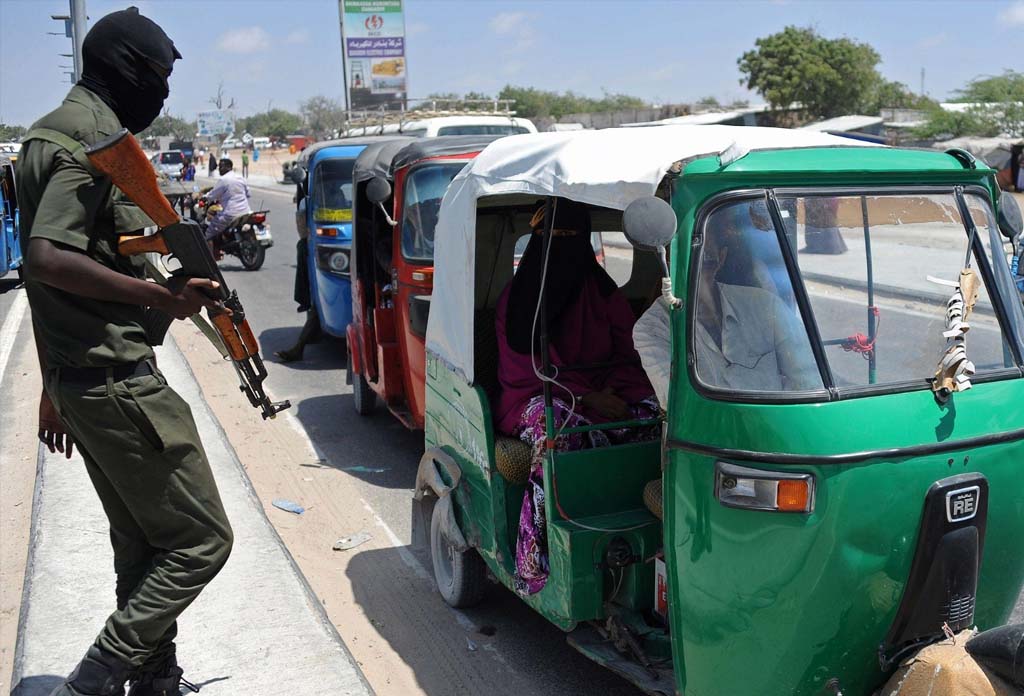
Documentation of detention practices gathered during the OPR investigation. | OPR
Victims consistently reported that arrests were carried out in a clandestine manner. Many said they were blindfolded, forced into unmarked vehicles, and driven to undisclosed locations. These vehicles reportedly passed through police checkpoints without obstruction, suggesting official coordination or, at minimum, official acquiescence. Detainees were then taken to police stations, government-run interrogation sites, or the Somali Police Criminal Investigation Department headquarters, often without any notification to their families or lawyers.

Sites used for detention and interrogation, as described by survivors. | OPR
Interrogation as Intimidation
Former detainees described being held for hours in darkness while blindfolded before facing aggressive interrogation by multiple security officers. These interrogations frequently involved threats, intimidation, and physical abuse. Detainees said they were pressured to confess to vague security-related accusations, surrender passwords, or disclose information about their work, their contacts, and their online activity.
Several interviewees reported threats of torture, death, or harm to family members. Some said their abuse was filmed, apparently to deepen humiliation, intensify fear, and force compliance. Others were compelled to delete social media posts, videos, or statements critical of the authorities. In many cases, officers accused them of undermining national security or collaborating with Al-Shabaab without presenting evidence or filing formal charges.
Detention Without Charge — and Godka Jilacow
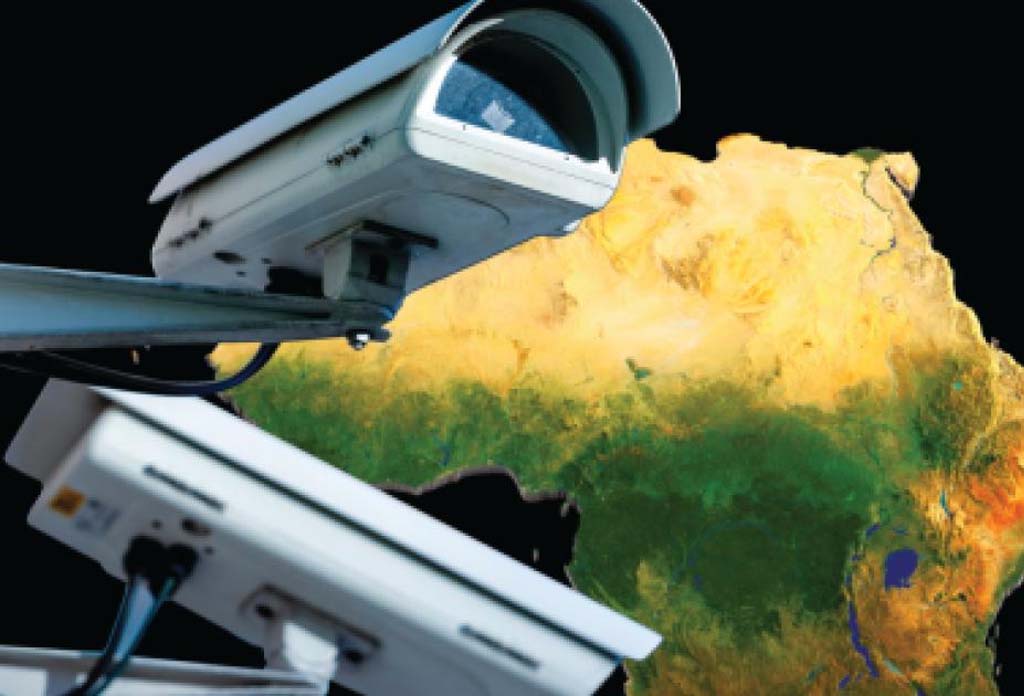
Survivor accounts describe conditions inside detention facilities across Mogadishu. | OPR
The duration of detention varied widely. Some individuals were released after a few days, while others were held for weeks or months without ever being brought before a judge. Such prolonged detention without charge or trial appears to function not only as punishment, but as a tool of coercion and public silencing.
A number of former detainees reported being transferred to Godka Jilocow — commonly known as “the Hole” — a site long associated with abusive detention practices in Somalia. Survivors described it as a subterranean cell marked by extreme heat, darkness, and deprivation. They reported being denied adequate food, water, medical care, and any contact with the outside world. According to testimonies gathered during this investigation, these conditions have contributed to severe illness, permanent injury, and, in some cases, death.
“They took me at night, blindfolded me, and drove me somewhere I did not recognize. I was held in a room with no light, no food for two days, and no one told my family where I was.”Testimony gathered by OPR — name withheld for protection
The Harm Does Not End at the Gate
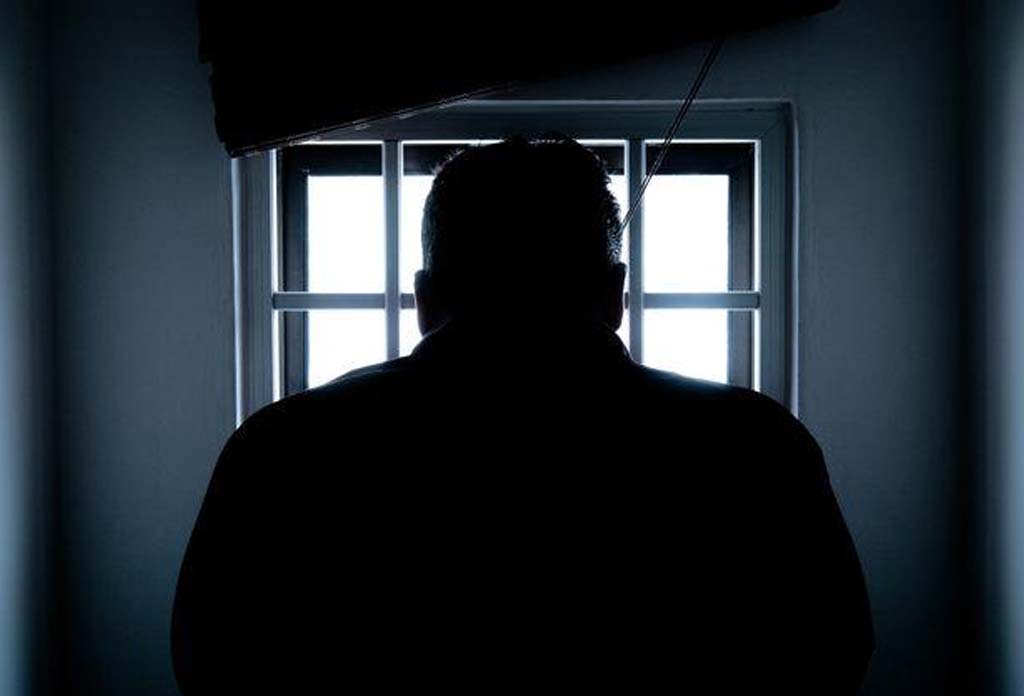
Survivors describe lasting physical and psychological harm that continues long after release. | OPR
The consequences of such treatment are profound and enduring. Survivors described chronic pain, untreated injuries, nightmares, anxiety, depression, and a constant sense of fear. Many said the abuse did not end when they were released — they continued to face surveillance, threats, and pressure to remain silent. For many, the damage to mental health, livelihood, and family life has been lasting and, in some cases, irreversible.
Women Face Heightened and Targeted Abuse
Women detainees face particular and compounded risks. In addition to the violations reported by male detainees, women described heightened vulnerability to sexual violence, coercion, forced drugging, and threats of public humiliation. Testimony gathered during this investigation indicates that these acts are sometimes used deliberately — not as incidental byproducts of detention — but as instruments designed to punish, discredit, and silence women who challenge authority or speak publicly about abuse.
Forced Silence in the Name of Obedience
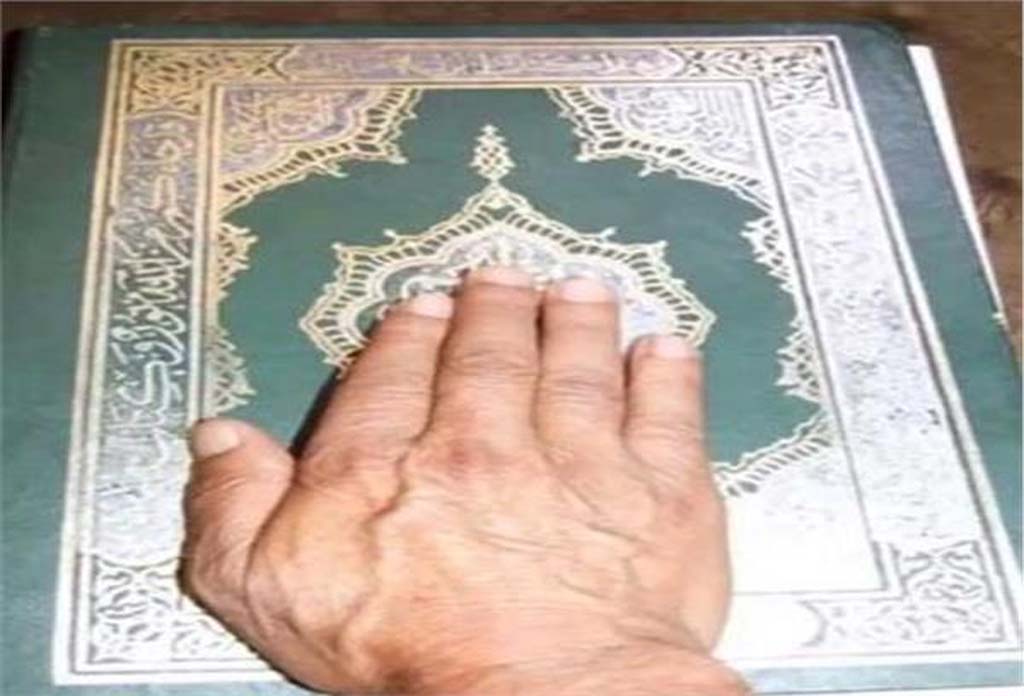
Detainees were compelled to swear on the Qur’an to stop criticizing the government before being released. | OPR
Some victims said they were forced, before release, to swear on the Holy Qur’an that they would stop criticizing the government, abandon political activity, or refrain from publishing material authorities might deem unlawful. These coerced pledges are not incidental. They reveal that detention is being used not merely to investigate alleged offenses, but to suppress dissent and enforce obedience through fear. The pledge is the point. The arrest is the mechanism. The silence is the objective.
A Direct Violation of Somalia’s Own Constitution
These practices stand in direct contradiction to Somalia’s own legal obligations. The Somali Constitution provides that arrested persons must be brought before a court within 48 hours. Yet the cases documented in this investigation show repeated, systematic disregard for that requirement. The routine violation of this safeguard has enabled arbitrary detention, torture, and enforced disappearance to operate behind closed doors without judicial check or accountability.
The evidence gathered points to a wider pattern in which state security structures are used to intimidate, punish, and silence those who report, criticize, organize, or dissent. Journalists, opposition figures, and human rights defenders are not being protected as essential participants in public life. They are being treated as enemies of the state — and subjected to practices that the state’s own constitution expressly prohibits.
OPR Calls On Somalia’s Authorities and International Partners To:
- End arbitrary arrests immediately and require judicial authorization for all detentions
- Disclose the whereabouts of all individuals currently held without charge or in incommunicado detention
- Guarantee prompt and meaningful access to legal counsel and family contact from the moment of arrest
- Investigate all allegations of torture and sexual violence in detention, and hold perpetrators accountable regardless of rank or institutional affiliation
- Disband or independently audit plainclothes “Ciidanka Nabad Sugida” units conducting extrajudicial arrests of journalists and civil society actors
- Establish independent monitoring of all detention facilities, including NISA sites and the Criminal Investigation Department headquarters
Silence has become a weapon in Somalia — imposed through fear, darkness, and disappearance. Breaking that silence is not only a journalistic act. It is a legal, moral, and political obligation.
How to cite this piece
Organization for Prisoners' Rights. (2025). Silenced in the Dark: Enforced Disappearances, Torture, and the Systematic Targeting of Journalists in Somalia. Mogadishu: OPR. https://opr.org.so/news/silenced-in-the-dark-enforced-disappearances-torture-and-the-systematic-targeting-of-journalists-in-somalia/