
Who Silenced Ikran?
Enforced Disappearance, Impunity, and Alleged Human Rights Violations in Somalia — A Human Rights Documentation Report on the Disappearance of Ikran Tahlil Farah
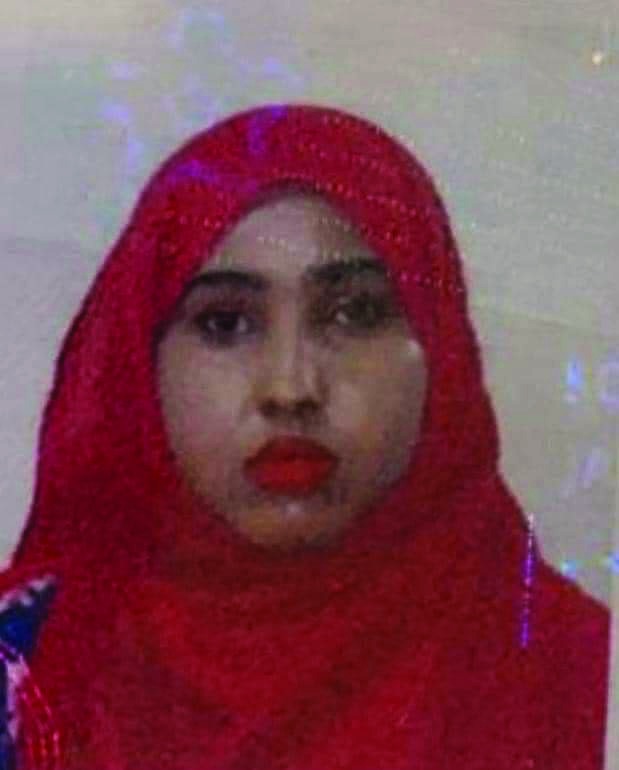
The disappearance of Ikran Tahlil Farah on June 26, 2021, remains one of the most controversial and politically sensitive unresolved human rights cases in Somalia.
A Case That Became a National Reckoning
At the time of her disappearance, Ikran was employed by the National Intelligence and Security Agency (NISA), Somalia’s intelligence and security agency, where she reportedly served in the cybersecurity unit following years of work in senior administrative and human rights-related positions within the Somali state.
Her disappearance generated widespread public outrage, triggered a political confrontation between senior Somali leaders, and intensified longstanding concerns regarding impunity, accountability, arbitrary detention, and alleged abuses committed by Somali security agencies.
This report examines the circumstances surrounding Ikran’s disappearance within the broader context of allegations against NISA involving arbitrary detention, enforced disappearance, torture, intimidation of journalists, and violations of due process rights.
The report further analyzes Somalia’s obligations under international human rights law, particularly the International Covenant on Civil and Political Rights (ICCPR) and the Convention against Torture and Other Cruel, Inhuman or Degrading Treatment or Punishment (CAT).
A Defining Moment for Accountability in Somalia
The disappearance of Ikran Tahlil Farah became a defining moment in Somalia’s ongoing struggle with accountability, rule of law, and security sector oversight.
On June 26, 2021, Ikran disappeared in Mogadishu under circumstances that remain unresolved. Public reports indicated that she was last seen leaving near the headquarters of NISA in a government vehicle commonly associated with Somali security agencies.
The case intensified public scrutiny of Somalia’s intelligence services and raised serious concerns regarding enforced disappearance, arbitrary detention practices, political interference in investigations, and failures to protect fundamental human rights.
Who Ikran Tahlil Farah Was
According to public reporting and accounts from individuals familiar with her work, Ikran joined NISA in 2017.
She reportedly worked in the Director’s Office before being promoted in October 2017 to Director of the Human Rights Compliance Division. In that role, she allegedly coordinated with the British Embassy in Mogadishu and AMISOM regarding security sector capacity-building initiatives.
From October 2018 to July 2019, she served as Chief of Staff to Mogadishu Mayor Abdirahman Omar Osman “Yarisow,” who was assassinated in August 2019.
Circumstances and Contested Accounts
According to reports and leaked CCTV footage referenced in Somali media and public discussions, Ikran was allegedly last seen entering or traveling in a white Toyota Hilux Double Cab vehicle associated with Somali security institutions.
Her disappearance rapidly escalated into a national political crisis.
In September 2021, NISA announced that Ikran had been abducted and killed by al-Shabaab. However, al-Shabaab publicly denied involvement in the incident.
The conflicting narratives intensified public suspicion and led to a political confrontation between Prime Minister Mohamed Hussein Roble, President Mohamed Abdullahi Mohamed “Farmaajo,” and former intelligence chief Fahad Yasin.
Human Rights Concerns Regarding NISA
The case of Ikran Tahlil Farah emerged within a broader pattern of allegations against NISA involving serious human rights abuses.
Human rights organizations, journalists, former detainees, and international observers have documented allegations involving arbitrary arrest and detention, incommunicado detention, torture and ill-treatment, enforced disappearance, harassment of journalists and human rights defenders, sexual violence in detention facilities, and denial of due process rights.
Reports have also raised concerns regarding secret detention facilities and the absence of effective judicial or civilian oversight over intelligence operations.
Somalia’s Obligations Under International Human Rights Law
Somalia is a party to the International Covenant on Civil and Political Rights (ICCPR), which guarantees the right to life, freedom from torture, protection from arbitrary detention, and due process rights.
The Convention against Torture (CAT) obligates Somalia to prevent torture, investigate allegations of abuse, and ensure accountability for perpetrators.
The unresolved nature of Ikran’s disappearance and allegations involving state-linked actors raise serious concerns under international human rights law and standards prohibiting enforced disappearance.
What OPR Calls For
OPR calls upon the Federal Government of Somalia to:
- Conduct an independent, transparent, and credible investigation into the disappearance of Ikran Tahlil Farah.
- Investigate and prosecute individuals implicated through credible evidence, regardless of rank or political position.
- Strengthen civilian oversight mechanisms over intelligence and security agencies.
- End arbitrary detention practices and ensure detainees are promptly brought before judicial authorities.
- Prohibit torture, secret detention, and incommunicado detention.
- Protect journalists, human rights defenders, and civil society actors from intimidation and retaliation.
Justice Requires More Than Statements
The disappearance of Ikran Tahlil Farah remains one of Somalia’s most serious unresolved human rights cases.
Beyond the fate of one individual, the case reflects broader concerns regarding secrecy, abuse of power, weak oversight, and impunity within Somalia’s security institutions.
Justice for Ikran requires more than political statements. It requires truth, accountability, and a genuine commitment to the rule of law.
How to cite this piece
Organization for Prisoners' Rights. (2022). Who Silenced Ikran? Enforced Disappearance, Impunity, and Alleged Human Rights Violations in Somalia. Mogadishu: OPR. https://opr.org.so/news/who-silenced-ikran-enforced-disappearance-impunity-and-alleged-human-rights-violations-in-somalia/